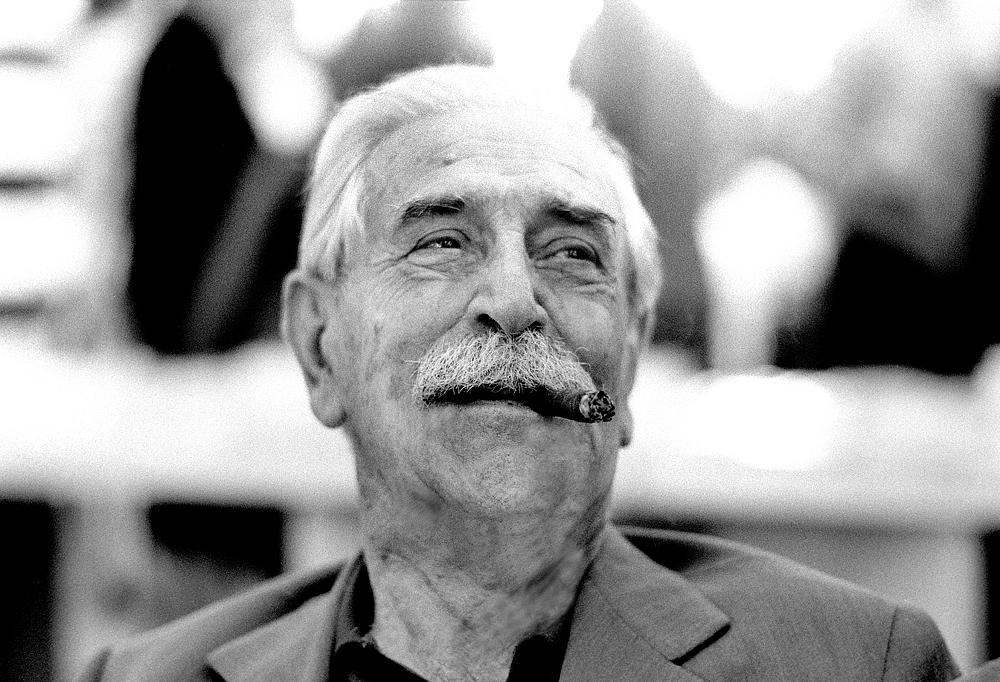
A nineteenth-century novelist with the soul of a twentieth-century writer. —Cesare Garboli
An eclectic writer and film director, a great interpreter of Italian identity
Mario Soldati was born in Turin in 1906. He attended the Faculty of Humanities and came into contact with the liberal intellectual circle headed by Piero Gobetti. In 1929 he moved to the US on a scholarship and taught at Columbia University for three years, in the midst of the Great Depression. The experience inspired America, primo amore (1935).
After returning to Italy he worked as a scriptwriter and director, directing films such as Piccolo mondo antico (1940), Malombra (1942) and Le miserie del signor Travet (1945). Soldati was also involved in renowned TV investigations such as Chi legge? (1960) and Viaggio nella Valle del Po (1957), featuring literary and culinary journeys throughout Italy.
His main works are La verità sul caso Motta (1941), an experimental novel with dreamlike and surreal tones; Le Lettere da Capri (Strega Prize 1954 & Strega Prize 2026), a sentimental novel with a fast-paced plot and a complex narrative construction; and Lo smeraldo (1974), a rare example of Italian science fiction. Soldati also penned beautiful reportages. In addition to America, primo amore he wrote a wine and food reportage – one of the first in Italy – called Vino al vino (1969) and Fuga in Italia (1947), an account in diary form of the frantic events following the armistice of September 8th. Thanks to I racconti del maresciallo (1968), Soldati was a forerunner of the Italian crime novel.